
How Often Should I Change The Brake Fluid On My Honda?
Honda is renowned and respected for its rock-solid reliability, making it a widely popular option across the world. Regardless of how reliable a car can be, there will always be maintenance issues/intervals that need to be addressed. And when it comes to all of the other maintenance items to keep track of, the less thought-about services like brake fluid flushes can be pushed to the back burner. While you may only concern yourself with brake pads and rotors, the fluid plays just as large a role in stopping your vehicle and needs to be treated with that importance.
In this article, we’ll go over the role of brake fluid in your vehicle, the symptoms of old brake fluid, the cost of a flush, and how often you should have yours changed.
What is Brake Fluid?
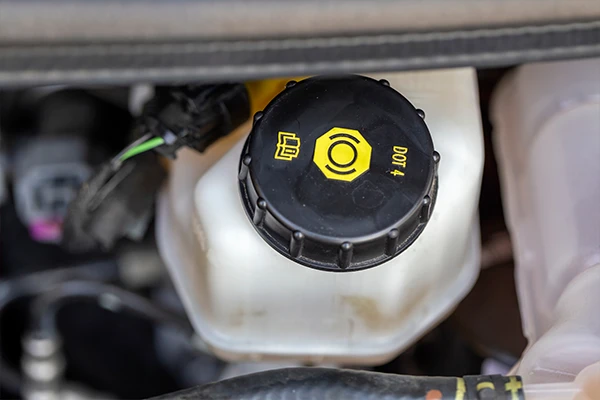
Like power steering fluid, brake fluid is hydraulic, meaning it’s used to amplify and transfer force from one point to another. In this case, it’s the brake pedal transferring and amplifying force to the pads that are pushed against the rotors to create friction.
Over time, brake fluid can encounter several issues that can reduce overall effectiveness. The largest issue with brake fluid is that it’s hygroscopic, meaning it absorbs moisture from its surroundings. This becomes an issue when moisture builds up within the brake lines and corrodes the sensitive components and lines it runs through.
Water in your fluid is also an issue for its boiling point. Brake fluid naturally has a higher boiling point than it will ever reach in normal conditions; however, when it’s diluted with moisture, the water can begin to boil at lower temperatures and lead to bubbles and air pockets within your fluid. As fluid becomes aerated, it won’t retain the same hydraulic properties and can affect your ability to brake. It could be due to aeration in your brake fluid. Brake fluid may also leak from faulty lines or other seals, depriving your brakes of the fluid they need to safely stop your vehicle. If you see visible leakage on your master cylinder or brake lines, you should have your system inspected as soon as possible before the issue worsens.
Symptoms of Bad Brake Fluid
- Soft or spongy brake pedal
- Leaks around lines and the master cylinder
- Unusual noises and smells when braking.
- Decreased braking performance
- Illuminated brake warning light on the dashboard
How Often Should I Change My Honda’s Brake Fluid?
Brake fluid flushes should be carried out every 2-3 years. The best source of information on brake fluid intervals, though, is the manufacturer themselves. Checking your owner’s manual, a trusted online source, or calling the dealer directly will give you an accurate picture of the proper interval.
That isn’t to say you should always wait for the maximum amount of time, either. If you’re experiencing any of the above symptoms, it’s worth inspecting your fluid (or having a professional do so) to see if that could be a source of your issue.
Honda Services in Tucson, AZ
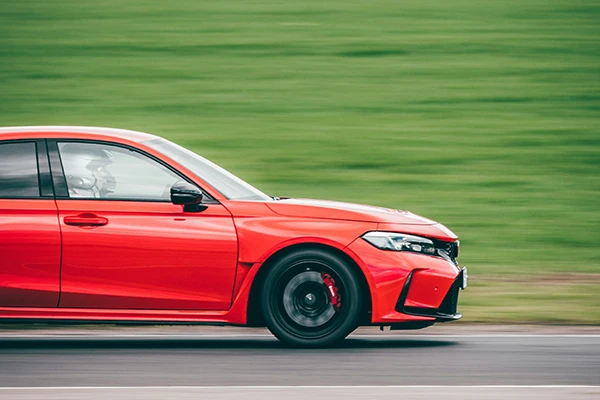
When it’s time to change your Honda’s brake fluid, or you need general services, trust the Honda experts at Micro Import Service in Tucson, AZ. Our ASE-certified technicians have extensive experience working on all Hondas, from Civics to CRVs. Ensure your Honda receives the best possible service by scheduling an appointment with our friendly team today!