
Cooling System Maintenance Guide
The cooling system in your vehicle is responsible for keeping your powertrain at a safe operating temperature to prevent overheating and the subsequent damage that comes with it. As such a critical system, it’s no wonder that consistent cooling system maintenance is the best way to ensure your engine is running with adequate coolant.
In this article, we’ll go over the core components of cooling systems, the most important services to keep it running properly, and how a faulty cooling system can affect your vehicle.
Components of the Cooling System
While there are various components in the cooling system that all contribute to maintaining a safe operating temperature, a few key components stand out as some of the most important to keep and eye on.
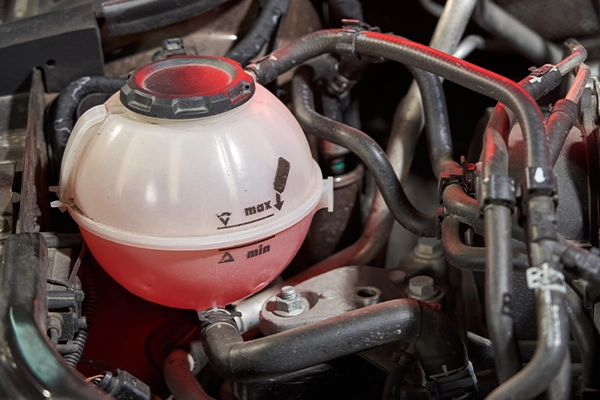
Coolant
Coolant, also known as anti-freeze, is the fluid responsible for absorbing heat from the powertrain as it’s pumped throughout the system.
Radiator
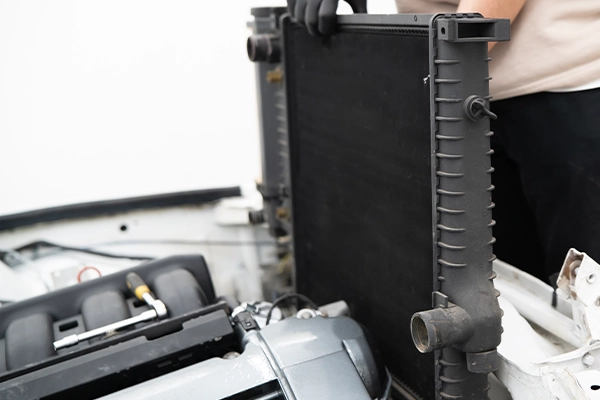
The radiator is one of the most crucial components of the cooling system. Located at the front of the vehicle and behind the grill, the radiator consists of various metal fins that allow outside air to rush through the radiator and dissipate heat from the hot coolant into the surrounding air.
As coolant absorbs heat from the various components of your powertrain, it will be looped back to the radiator where its heat is dispersed with incoming air from the grill and cooling fan.
Water Pump
The water pump acts as the heart of your cooling system, pumping the coolant throughout the system to ensure it’s reaching each nook and cranny of your powertrain components. Without adequate coolant flowing through the system, the engine will experience excess heat buildup that can lead to warping, cracking, and other irreparable damage to its most critical components.
Thermostat
The thermostat is the component responsible for reading the current temperature of the coolant and regulates the amount of coolant being introduced to the radiator. When this component experiences an issue, it can cause incorrect temperature readings that lead to overheating from a lack of coolant.
How To Keep Your Cooling System In Good Condition
Regular Coolant Flushes
While coolant is designed to last for an extended period of time flowing through your powertrain, it’s critical to ensure that your coolant is flushed regularly to avoid the accumulation of contaminants and debris that can disrupt the cooling properties of the fluid.
With constant use, coolant will begin to degrade due to the high temperatures of your engine along with the accumulation of contaminants of moisture, leaving your coolant unable to absorb the proper amount of heat. In severe cases, contaminated coolant can cause clogs and blockages that prevent coolant from reaching important parts of your powertrain, leading to overheating that could cause irreparable damage if not addressed immediately.
Generally, coolant should be replaced between every 30,000-50,000 miles to ensure your cooling system has an adequate amount of fresh coolant flowing through it.
Check Coolant Level
Coolant flushes also ensure that your coolant system has the proper amount of coolant. Over time, coolant can escape from the system due to leaks, meaning your vehicle could be running without an adequate volume of coolant. Regular flushes are an important part of having peace-of-mind in the condition of your vehicle’s cooling system.
If you notice a leak that’s causing coolant to exit the system quickly, it’s crucial that you have your cooling system inspected by a trusted professional as soon as possible to avoid further coolant loss and potential damage from overheating.
Belt Inspections
As the cooling system’s water pump relies on its connection to the engine’s accessory belt to continue running, ensuring your belt and pulley are free from tears, stretching, or other damage that could disrupt the belt’s rotation is one of the best ways to keep your cooling system in the proper condition.
Cooling System Maintenance & Repair in Tucson, AZ
If you’re in need of cooling system inspection, maintenance, or repair on your Asian import vehicle, don’t hesitate to reach out to the team at Micro Import Service in Tucson, AZ. Our technicians have extensive experience in providing high-quality cooling system care and repair no matter the issue you’re facing.
Give us a call or schedule online today to secure your appointment with Tucson’s premier import maintenance facility!